
 | Support Libraries |
Discover more at your library!
Georgia libraries are the heart of every community. They help everyone achieve their goals at any stage of life, from learning to read to launching a new career to preparing for retirement.
Libraries are a place of discovery. Whether researching online with high-speed Wi-Fi, meeting friends at storytime, experimenting at a makerspace, or simply finding your next great read, there’s something for everyone.
Children can explore and imagine, students can prepare for life beyond high school, job seekers can develop new skills, and older adults and those with disabilities can connect with accessible technology to maintain independence.
And you never know what you might discover with your library card! Borrow a ukulele, try 3-D printing, take a yoga class, learn a new language, and get free admission to great places across Georgia.
What will you discover?





Check out your local library
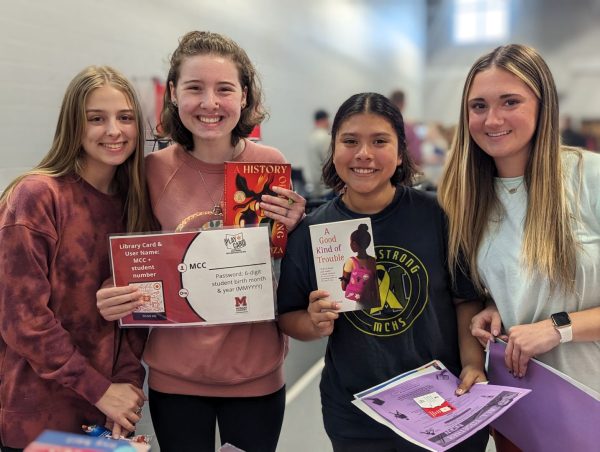
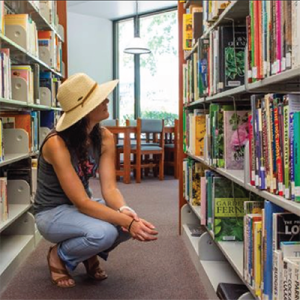
Libraries are welcoming spaces that bring communities together to enjoy a variety of activities for all ages. Groups gather at the library to listen to an author lecture, take a craft class, learn STEAM skills with makerspaces, and so much more. And many libraries also provide meeting rooms and work/study spaces. Visit your library to browse the stacks for your next great read, join a book club, or find a quiet place to relax.
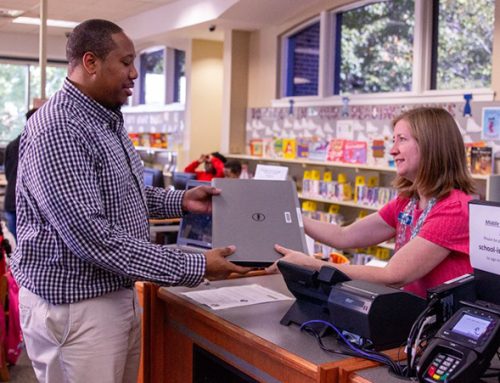
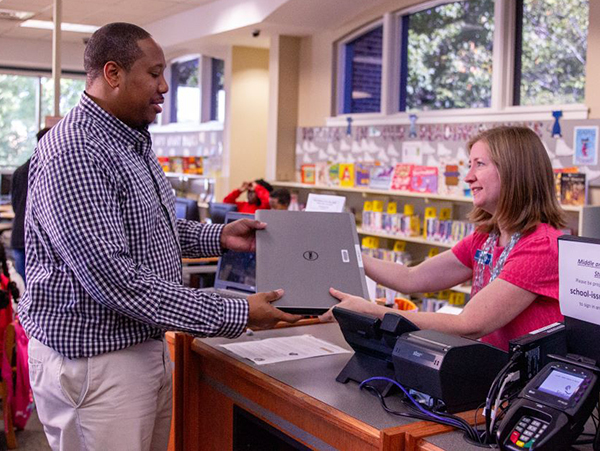
All of Georgia’s public libraries provide high-speed internet and Wi-Fi access, helping people across Georgia link to critical learning resources and online services. Use your personal mobile device or public access computer to complete your degree, apply for retirement benefits, and stay connected to friends and family. Or you can borrow laptops or mobile hotspots to work on the go.
Discover more with your library card
You know you can borrow books, but did you know about some of the unexpected benefits of a free library card? With your library card, you can learn new job skills, research your next school project, get free admission to great places across Georgia and much more.
Access digital resources online
And if you can’t get to a library for a physical card, check out the PINES ecard and get access to all digital resources offered at your local library. Go online to find ebooks, audiobooks, movies, and music through your library’s app. Learn more about free online resources available at Georgia libraries.
Discover your next adventure
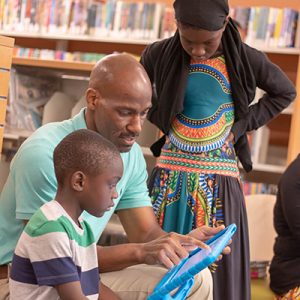
Experiment with hands-on learning with libraries of things and check out a telescope, ukulele, or sewing machine. Use your library card to check out free Experience Passes to visit great places around the state like Georgia State Parks & Historic Sites and Zoo Atlanta.
Libraries support literacy and lifelong learning
Libraries are essential to literacy and lifelong learning. Whether your child is getting ready for preschool or preparing for college, your library has tools to help them succeed in taking the next step.
Help your kids discover the joy of reading
Start your child’s reading journey with 1,000 Books Before Kindergarten, check out books and story times at your local library, get ebooks and audiobooks with eRead Kids, or borrow a Launchpad interactive learning tablet.
Help students discover a love of learning
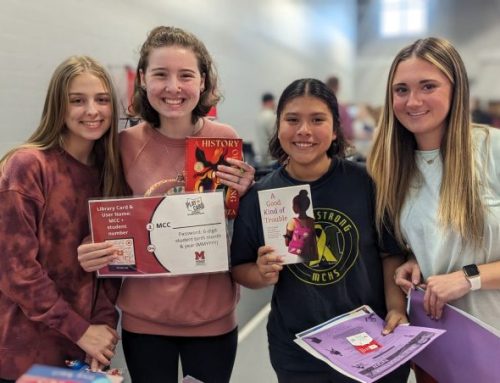
Get homework help through LearningExpress Library online, or ask your library about free tutoring and afterschool programs. LearningExpress Library has practice tests, tutorials, study guides, and more to help students improve in subjects like math and language arts. LearningExpress makes it easy to find tools based on a student’s grade level.

Discover something new
GALILEO, Georgia’s virtual library, offers many useful tools for lifelong learners, from language learning to job skills to genealogy resources.
Learn a new language
Mango Languages offers easy-to-follow tutorials and on-demand courses that you can follow at your own pace. Access more than 70 world languages – including English as a second language.
Learn new skills to advance your career
Looking for a new job? Get guidance with resumes, cover letters, and interview techniques with LearningExpress Library online. Want to start your own business? Connect with free Entrepreneurial Mindset Training and learn how to transform your ideas into reality.
Discover new facts about the past
Curious to learn more about your family tree or hometown history? Access thousands of historical resources like newspapers, photographs, and more through the Digital Library of Georgia. Or use Ancestry Library Edition at your library to research your roots.
Find more ways to connect with your library
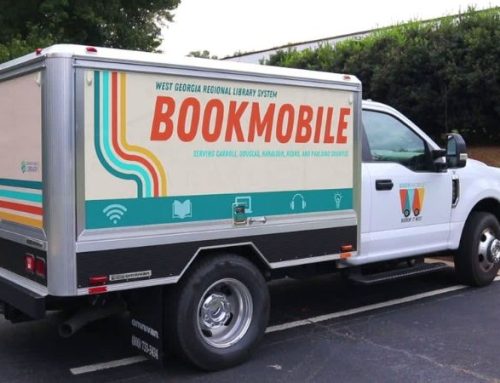
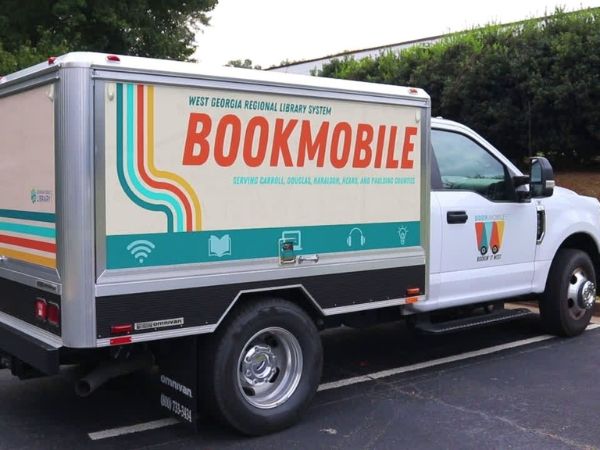
You can discover libraries reaching out beyond their walls to connect with the communities they serve. Public libraries ensure resources and services are accessible to all Georgians.
Stay connected with stories and information
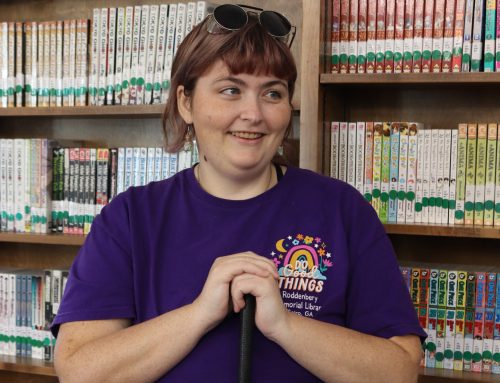
Do you, a friend, or family member have a visual, physical, or reading disability? Georgia Library Service for the Blind and Print Disabled (GLS) provides reading materials in accessible formats, specially adapted to your abilities.
Reducing barriers for older adults
Many libraries partner with local organizations to provide innovative services, meeting senior citizens where they are with programming, book-by-mail services, accessible technology, and more.